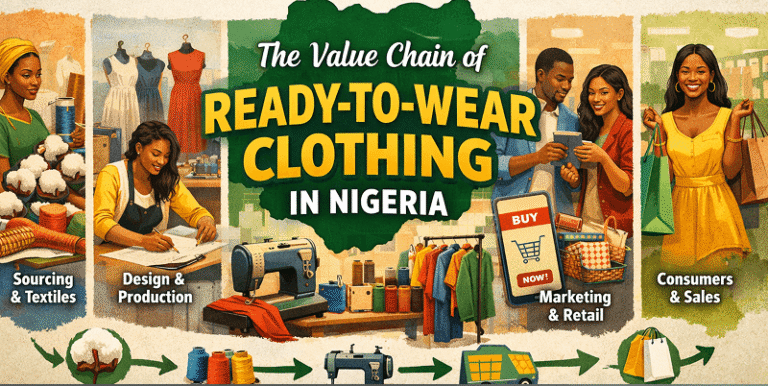
Starting a Ready-to-Wear (RTW) clothing business in Nigeria or anywhere in Africa is an exciting venture. From urban street wear in Lagos to Ankara-inspired casuals in Accra and everyday corporate wear in Abuja, the African fashion market is growing fast. However, creativity alone is not enough to build a sustainable fashion brand. You need a solid business plan.
A well-structured RTW clothing business plan helps you define your vision, understand your market, manage costs, and position your brand for growth. Whether you are launching a new clothing line or restructuring an existing one, this guide will walk you through how to create a practical business plan tailored to the Nigerian and African fashion industry.
What Is a RTW Clothing Business?
A Ready-to-Wear (RTW) clothing business focuses on producing garments in standard sizes and selling them in bulk rather than making outfits on request. Unlike bespoke or made-to-measure fashion, RTW clothing is designed, produced, and sold for immediate purchase.
In Nigeria, RTW businesses commonly sell through:
- Instagram and WhatsApp
- Online stores and marketplaces
- Pop-up shops and fashion fairs
- Physical boutiques
Popular RTW categories include casual wear, office wear, streetwear, native-inspired outfits, and modest fashion.
Why You Need a Business Plan for Your RTW Clothing Business
Many fashion brands in Nigeria fail not because the designs are bad, but because there is no clear business structure. A business plan helps you:
- Define your fashion brand identity and niche
- Understand your target customers and pricing power
- Estimate startup and production costs accurately
- Plan marketing and sales strategies that work locally
- Attract investors, grants, or business loans
- Track growth and make better business decisions
In a competitive market like Lagos, Abuja, or Port Harcourt, having a clear plan gives your RTW clothing brand a strong advantage.
Key Elements of a Successful RTW Clothing Business Plan
1. Executive Summary
The executive summary gives a quick overview of your RTW clothing business. Even though it appears first, it is best written last.
Include:
- Business name and location
- Type of RTW clothing you sell
- Target market (e.g. young professionals, students, working women)
- Short-term and long-term business goals
Example:
A Lagos-based RTW fashion brand focused on affordable, stylish office wear for Nigerian women aged 23–40.
2. Company Description
This section explains who you are and what your brand stands for.
Covers:
- Brand story and inspiration
- Business structure (sole proprietorship, partnership, registered company)
- Business location and mode of operation (online, physical store, or hybrid)
- Your unique selling point (USP)
For example, your USP could be affordable pricing, African prints with modern cuts, or locally sourced fabrics.
3. Market Research and Analysis
Market research is one of the most important parts of your business plan.
Target Market
Define your ideal customer clearly:
- Age range
- Gender
- Income level
- Location (urban or semi-urban areas)
- Shopping habits (Instagram shoppers, website buyers, walk-in customers)
Industry and Trend Analysis
Look at trends in the Nigerian and African fashion space such as:
- Increased online shopping
- Demand for affordable RTW brands
- Growth of influencer marketing
- Preference for locally made fashion
Competitor Analysis
Study similar RTW brands:
- Their pricing
- Product quality
- Marketing style
- Customer engagement
Identify gaps your brand can fill.
4. Product Line and Design Strategy
Explain what you plan to sell and how your products will stand out.
Include:
- Types of clothing (casual, workwear, native-inspired, streetwear)
- Fabric sourcing (local markets, textile suppliers, imports)
- Production method (in-house tailoring or outsourced production)
- Quality control process
- Pricing strategy based on local purchasing power
Your pricing must cover production costs while remaining affordable for your target audience.
5. Marketing and Sales Strategy
Your marketing strategy should focus on platforms that work best in Nigeria and Africa.
Branding
- Brand name, logo, and visual identity
- Consistent brand messaging
Digital Marketing
- Instagram, TikTok, and Facebook marketing
- WhatsApp Business for customer communication
- Influencer and fashion content creators
- Email marketing for loyal customers
Sales Channels
- Social commerce (Instagram, Facebook DM)
- WhatsApp Business
- E-commerce website
- Physical boutiques or pop-ups
- Fashion exhibitions and trade fairs
6. Operations and Management Plan
This section explains how your business will run daily.
Include:
- Production timeline
- Inventory management
- Order fulfillment and delivery (dispatch riders, courier services)
- Staff roles (tailors, sales reps, social media managers)
Clear operations help you avoid delays, losses, and customer dissatisfaction.
Check out our free business plan template for ready to wear clothing business – download now
7. Financial Plan and Projection
Your financial plan shows whether your RTW business is viable.
Include:
- Startup costs (equipment, fabrics, branding, marketing)
- Monthly operating expenses
- Pricing and revenue estimates
- Profit and loss projections
- Break-even analysis
Use realistic figures based on local costs and demand.
8. Funding Requirements (If Applicable)
If you plan to seek funding, clearly state:
- Amount needed
- Purpose of the funds
- Expected returns
This section is useful when applying for grants, loans, or investors.
Common Mistakes to Avoid
- Starting without market research
- Underpricing products
- Ignoring branding and marketing
- Poor financial planning
- Trying to sell to everyone instead of a niche
Avoiding these mistakes increases your chances of long-term success.
Conclusion
Creating a business plan for your RTW clothing business is not just a formality, it is a roadmap for success. In Nigeria and across Africa, the fashion industry is full of opportunities, but only brands with structure, clarity, and strategy truly thrive.
Whether you are launching your first RTW collection or scaling an existing fashion brand, a well-written business plan will help you grow with confidence and direction.