

Brief history of RTW in Nigeria
In the early 20th century, the ready-to-wear (RTW) clothing industry in Nigeria was almost non-existent. To look fashionable in native attire for any occasion, one had to overcome series of hurdles. Will the tailor deliver my dress on time? Will the dress fit? What if the tailor misses the sketched style? The list goes on and on.
However, in the early 21st century, Nigeria’s RTW clothing industry began gaining traction with the emergence of vibrant products from Made-in-Aba clothing brands and Senegalese boubou gowns that dominated the Nigerian market. This growth was fueled by a rising demand for contemporary, African-inspired luxury fashion and a desire to blend traditional aesthetics with modern design.
This movement has propelled Nigerian brands to international recognition, creating a vibrant and culturally rich RTW market that celebrates African design. Before we continue a brief introduction of who we are.
Ntei – Naija Tailors Empowerment Initiative: We Empower Nigeria Tailors And fashion Entrepreneurs Through Tailoring Skill Acquisition, Business Promotion, Grants Opportunity, Mentorship, Community and Direct Market Access
What is Ready-to-Wear Clothing?
Ready-to-wear (RTW), also known as prêt-à-porter or off-the-rack, refers to mass-produced clothing, manufactured in standardized sizes and available for purchase directly from retailers without customization.
Key characteristics of ready-to-wear clothing are as follows:
- Standardized Sizes: Ready-to-wear clothing is typically made in common sizes to accommodate a wide range of body measurements.
- Mass Production: RTW clothing is produced in large quantities using assembly lines, as the targeted market is usually broad.
- Off-the-Rack Availability: RTW clothing can be purchased immediately from retail stores or online platforms without needing customer measurements or specifications.
- Affordability: RTW clothing is generally more affordable and accessible than custom-made garments.
Benefits Of Having A Ready To Wear Clothing Brand In Nigeria
The Nigerian fashion industry is estimated to worth 4 – 6 billion dollars, starting a ready-to-wear (RTW) clothing brand in Nigeria presents a promising business opportunity. Several socio-economic and cultural factors make this venture not only viable but potentially highly profitable. Below are key reasons why launching a RTW clothing line is a smart decision:
High Birth Rate
Nigeria has one of the highest birth rates in the world, contributing to a rapidly growing population, especially in the youth demographic. This means:
- Constant demand for clothing as new generations emerge.
- A youthful population is more likely to adopt fashion trends and seek stylish, modern clothing options.
- Parents are continuously in need of clothes for their growing children, creating opportunities in kids’ and teens clothing niche.
This demographic trend ensures a long-term, sustainable customer base for RTW businesses.
Large Population
With over 200 million people, Nigeria is the most populous country in Africa. This large population translates into:
- A massive target market with varied tastes, body sizes, and fashion preferences.
- High potential for scaling the business across different states and regions.
- Room for niche markets, from casual wear, office wear, to occasion wear all within the ready-to-wear category.
Even if a small percentage of the population becomes your customer, that still represents millions of potential buyers.
Nigerians are fashionable and follow trends

Nigerians are globally recognized for their strong fashion sense. From traditional attires to modern urban styles, Nigerians love to dress well and stand out. Here’s why this matters:
- The Nigerian fashion culture is vibrant, and people are willing to spend on clothes that reflect their identity and status.
- There’s a growing appetite for trendy, Instagram-worthy outfits that are ready to wear without the delay of tailoring.
- Influencers, celebrities, and social media have increased awareness and desire for fashionable clothing, especially among young adults.
Challenges Faced By Ready to Wear Clothing Businesses In Nigeria
Just like any other industry in the world, the Nigerian RTW clothing industry has its own challenges. Let’s look into these challenges and see how they directly affect the RTW clothing industry in Nigeria.
Lack of Standard Clothing Size For The Nigeria Market
Nigeria does not have its own standard clothing size and relies heavily on other countries’ body size data to cater to its RTW (Ready-to-Wear) clothing market. This practice affects the Nigerian RTW clothing industry in the following ways:
- Inconsistent Fit Across Brands: Without a national sizing standard, each brand uses its own measurements, leading to confusion and poor fit for consumers. A person might be a “Medium” in one brand and a “Large” or “Small” in another.
- High Return and Exchange Rates: Customers often return or exchange items due to sizing issues, increasing costs for retailers and reducing customer satisfaction.
- Low Consumer Confidence: Shoppers may hesitate to buy RTW clothing, especially online, due to uncertainty about the fit.
- Increased Production Costs: Brands must produce more size variations or adjust sizing frequently to accommodate diverse body types, increasing production complexity and cost.
- Inventory Management Issues: Inaccurate demand forecasting for different sizes leads to overstocking of some sizes and stock outs of others.
- Limited Export Potential: Without standardized sizes, it is difficult for local RTW brands to scale internationally, as global buyers prefer size consistency.
- Barriers to E-commerce Growth: Online clothing sales depend heavily on reliable sizing. Inconsistent sizing deters online shoppers.
- Customer Dissatisfaction and Loss of Brand Loyalty: A poor fit experience may drive customers away from a brand permanently, even if the design or quality is good.
- Challenges in Mass Production: Mass-producing garments becomes risky when sizing is not predictable or standardized across the target market.
- Increased Need for Tailoring: Many consumers end up altering RTW clothing, which defeats the purpose of convenience and adds extra cost.
Check out our blog post “Why Nigeria needs its own standard clothing size”
Lack of Experience Factory Line Workers
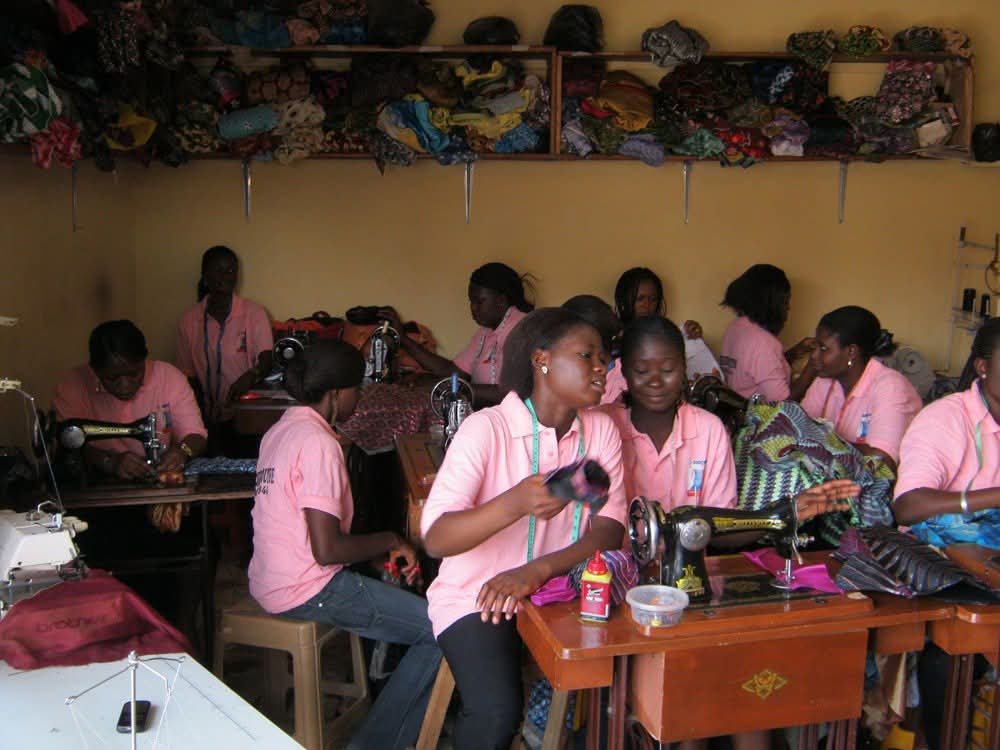
The Nigerian tailoring industry lacks experienced factory workers, as the country has few clothing factories. Most tailoring businesses in Nigeria focus on bespoke services, and as a result, many new workers are trained by these small businesses. This, in turn, produces more tailors who want to go into bespoke rather than factory-based production.
High Cost Of Raw Material
The Nigerian ready-to-wear clothing industry heavily depends on imported raw materials such as textiles, sewing accessories, and equipment, mostly from China, to power its operations. This reliance leads to high production costs, making it difficult for Nigerian clothing brands to compete with their international counterparts, even within the local market.
Unstable Electricity Supply
The Nigerian economy is yet to attain its full industrialization potential due to insufficient energy supply. Local businesses in Nigeria often rely on diesel generators to power their operations, which greatly increases the cost of producing ready-to-wear products, as businesses have to spend more on manufacturing.
Conclusion
A RTW clothing line that stays on-trend, stylish, culturally relevant and Affordable will attract huge fashion conscious customers who want convenience and affordability without sacrificing style

[…] Check out our blog post Why You Should Start A Ready To Wear (RTW) Clothing Business In Nigeria […]
I always learn something from your articles.
thank you @curiousmind, we appreciate you feedback. We invite you to join the Ntei membership program and gain access to all the resource and network you need to scale your fashion business.
[…] Check out our post “Why you should start a ready to wear clothing business in Nigeria“ […]